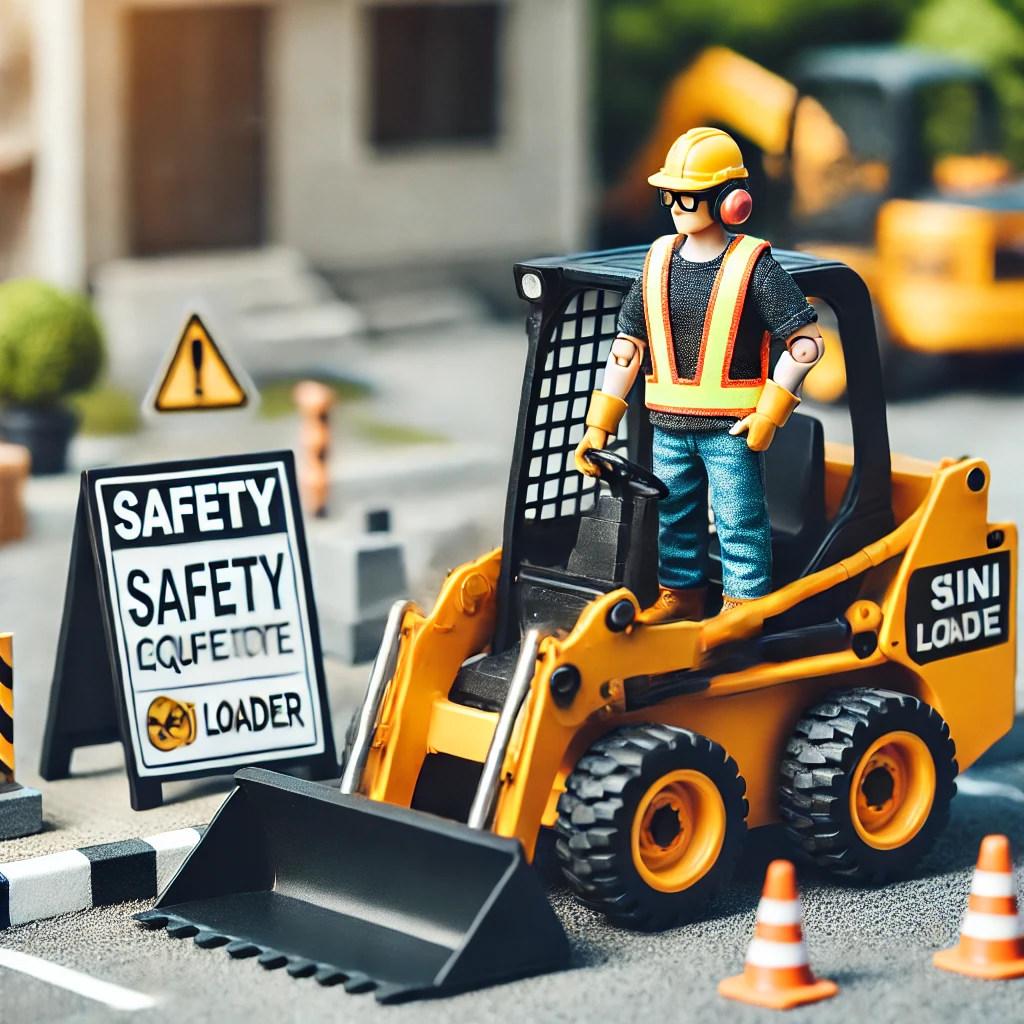
Top Safety Tips When Operating Heavy Equipment
Operating heavy machinery comes with a lot of responsibility. Whether you’re working on a construction site, performing earthworks, or simply using a mini loader for a landscaping project, safety should always be the number one priority. Heavy equipment can pose significant risks if not used properly, leading to accidents, injuries, or damage to property. Fortunately, by following key safety protocols and ensuring all operators are properly trained, you can minimize these risks and create a safe working environment.
In this post, we’ll explore the top safety tips for operating heavy equipment and maintaining a secure construction site.
1. Ensure Proper Training for All Operators
One of the most important aspects of construction safety is ensuring that anyone operating heavy equipment has received adequate training. Even the most experienced workers need to undergo training specific to the type of equipment they will be using.
A. Certification and Licensing
Make sure that all operators have the necessary certifications and licenses required to operate specific machinery. Depending on the equipment and your region, different certifications may be required by law.
For instance, if you’re working with an excavator, backhoe loader, or mini loader, your operators should have completed the relevant training courses and hold valid certifications to prove they can operate the machinery safely.
B. On-the-Job Training
In addition to formal certifications, on-the-job training is essential. Every construction site is different, and it’s important that operators are familiar with the specific terrain, equipment, and safety protocols of the site. Site-specific training can help workers understand potential hazards, how to navigate the machinery safely in that environment, and what to do in case of an emergency.
2. Conduct Pre-Operation Equipment Inspections
Before any piece of equipment is operated, it should undergo a thorough inspection. This can help identify potential mechanical issues that could lead to dangerous malfunctions or accidents.
A. Daily Walkaround Inspections
Make it a habit to conduct a walkaround inspection of the equipment every day before use. Check the tires or tracks, fluid levels, brakes, lights, and hydraulic components for any signs of wear, damage, or leaks. These inspections can prevent breakdowns and ensure that the machine is in proper working order.
At Momentum Equipment Hire, we perform regular maintenance and inspections on all our equipment, so you can be confident that the machines you hire are in excellent condition and ready for safe operation.
B. Report and Repair Issues Immediately
If you or any operator notices a problem with the equipment during inspection, it should be reported immediately, and the machine should not be used until it is repaired. Ignoring small issues can lead to larger problems that put both the operator and the project at risk.
3. Follow Safety Protocols on the Job Site
Construction sites can be dangerous places if safety protocols are not followed. It’s essential that everyone on the site adheres to the rules and regulations that have been set in place to protect workers, bystanders, and property.
A. Wear Proper Personal Protective Equipment (PPE)
Personal protective equipment (PPE) is a must for all operators and workers on-site. This includes hard hats, safety goggles, gloves, steel-toed boots, high-visibility vests, and ear protection where needed. Make sure everyone on the site is wearing the appropriate gear at all times.
B. Maintain Safe Distances
Ensure that all workers and bystanders maintain a safe distance from operating machinery. Heavy equipment has blind spots, and it can be difficult for the operator to see everything around them. Proper communication is also essential — establish clear hand signals or use radios to communicate when it’s safe to approach or move near machinery.
C. Use Safety Signage
Safety signage should be placed around the site to clearly mark hazardous areas, restricted zones, and emergency exits. This helps to prevent accidents and keep everyone aware of potential risks in different parts of the site.
4. Load and Unload Materials Safely
If your project involves moving heavy loads with equipment like loaders, skid steers, or excavators, it’s important to follow safe loading and unloading practices to prevent tipping or spillage.
A. Secure the Load
Make sure the load is evenly distributed and securely fastened before moving it. If the load shifts during transport, it can destabilize the machine and cause it to tip over.
B. Avoid Overloading
Every piece of machinery has a maximum operating capacity, and exceeding this limit can lead to accidents. Always check the machine’s specifications and avoid overloading it, as this can result in the equipment becoming unbalanced or breaking down under the strain.
C. Use Caution on Uneven Ground
If the site has uneven terrain, operators should use extra caution when moving heavy loads. Slow down, maintain a steady speed, and avoid sharp turns that could cause the load to shift or the machine to tip.
5. Maintain Clear Communication on Site
Good communication is critical to safety, especially on a busy construction site where multiple machines may be operating at once. Establishing a clear line of communication between operators and workers on the ground can prevent accidents and ensure tasks are completed smoothly.
A. Use Hand Signals
When radios or verbal communication isn’t possible, establish a set of standard hand signals that everyone on-site understands. This can help operators and ground workers communicate clearly in noisy environments.
B. Assign a Signal Person
For more complex tasks, it’s a good idea to assign a dedicated signal person whose job is to communicate with the machine operators. This person can guide the operator and provide clear directions, ensuring that the equipment is used safely.
6. Prevent Equipment Rollovers
One of the most dangerous risks when operating heavy machinery is a rollover, which can cause serious injury to the operator and damage the equipment. To minimize the risk of rollovers, follow these guidelines:
A. Avoid Steep Slopes
Whenever possible, avoid operating machinery on steep slopes or hillsides. If you must work on an incline, move slowly, keep the load low to the ground, and drive directly up or down the slope rather than across it.
B. Drive Carefully on Uneven Terrain
Rough or uneven ground can cause machinery to become unbalanced. Take extra care when navigating through rough terrain, and avoid sudden turns or movements that could destabilize the machine.
7. Stay Aware of Weather Conditions
Weather conditions can have a significant impact on the safety of a construction site. Rain, snow, or even strong winds can make operating heavy equipment more dangerous.
A. Avoid Using Machinery in Bad Weather
If the weather turns bad, it’s best to delay operations. Wet or icy conditions can reduce traction, increase the risk of rollovers, and make it harder to see obstacles. Always consider the safety of your team first, and reschedule if necessary.
B. Prepare for Weather Changes
Even if the weather looks clear when you start the day, it’s a good idea to prepare for sudden changes. Have a plan in place for securing equipment or materials if the weather changes unexpectedly, and make sure everyone on-site knows what to do in case of an emergency.
Conclusion
Safety should never be overlooked when operating heavy equipment. By ensuring that operators are properly trained, following daily inspection routines, and adhering to job site safety protocols, you can significantly reduce the risk of accidents and create a secure working environment. With the right precautions in place, your team can focus on completing the job efficiently and safely.
Momentum Equipment Hire
Safety is a priority at Momentum Equipment Hire. Our machines are well-maintained and ready for action, so you can focus on getting the job done safely. Contact us for reliable equipment today!