Choosing the Perfect Compactor Size for Your Project Needs
Whether you’re constructing a driveway, working on a landscaping project, or even undertaking a large-scale construction development, selecting the right-sized compactor can make all the difference in the success of your project. But with so many options available, how do we ensure we make the right choice? Let’s dive in!
Why Proper Sizing Matters
Choosing the correct compactor size helps achieve efficient compaction of the soil or gravel, ensuring it can support the loads it’s designed to carry. Using the wrong-sized compactor may lead to incomplete compaction, potentially compromising the structural integrity of your project. Additionally, it can affect your project’s budget and timeline.
Factors to Consider
- Type of Material: The material you’re compacting greatly dictates the kind of compactor needed. For cohesive soils like clay, a sheepsfoot roller might be more effective. For granular soils like sand or gravel, a vibratory plate compactor or roller may be ideal.
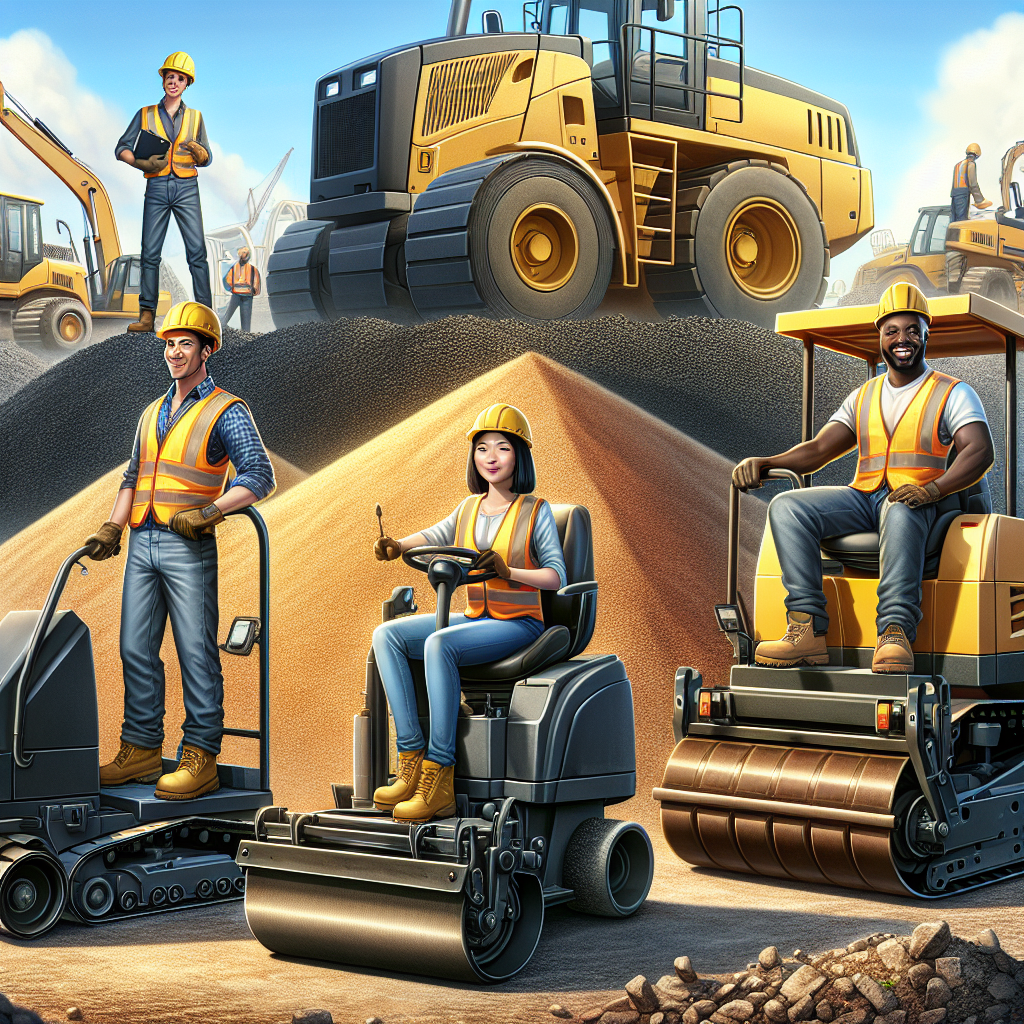
- Project Size: For smaller projects, a hand-guided compactor or a plate compactor can suffice. Larger areas may necessitate a ride-on roller to cover more ground efficiently.
- Compaction Depth: Deep layers of soil require more robust equipment. Understand the depth you need to achieve before selecting your machine.
- Site Accessibility: Consider your site’s access routes. Narrow or restricted accesses might mean opting for smaller, more maneuverable compactors.
- Frequency and Amplitude: Different compactors come with varying frequency and amplitude settings which affect compaction levels. Ensure your equipment matches your soil type requirements.
Types of Compactors
Let’s break down some popular types of compactors and their typical use cases:
- Plate Compactors: Best for small to mid-sized jobs like sidewalks and landscaping. They’re perfect for granular soils.
- Rammers: Ideal for trenches and tight spots. They exert a high impact force, making them suitable for cohesive soils.
- Ride-on Rollers: Designed for asphalt projects, road construction, and large surface areas. These machines offer greater coverage and efficiency.
- Sheepsfoot Rollers: As the name implies, this type is best suited for clay and silty soils, used for deep compacting tasks.
Making Your Decision
Deciding on the right-sized compactor can seem daunting, but fear not! Understanding your project needs and constraints greatly simplifies this decision. If you’re still unsure, consulting an expert is always a wise move. At Momentum Equipment Hire, we pride ourselves on providing the right equipment tailored to your specific needs, especially within the Whitsundays region.
Getting It Right with Licensing and Regulations
In Queensland, ensuring compliance with local regulations is paramount. Before commencing any compaction work, it’s essential to check any site-specific requirements or approvals needed from local councils. Some areas may have noise restrictions or designated permits required for operating heavy machinery.
Always ensure that anyone operating equipment on-site possesses the appropriate licences and training. This not only ensures safety but also adherence to local health and safety laws.
Why Momentum Equipment Hire?
Why settle for less when you can have the best? When you rent from Momentum Equipment Hire, you’re not just getting machinery. You’re getting the peace of mind that comes from reliable, premium-quality equipment serviced and maintained to Australia’s highest standards. You’ll also have access to expert advice and support ensuring your project’s success.
Get Ready to Compact!
Getting started on your project in the Whitsundays? Contact the friendly team at Momentum Equipment Hire to ensure you’ve got the perfect compactor size and type for your project. With our broad range of equipment, expert guidance, and commitment to excellence, you’re set for success.
Don’t Forget!
Always remember to:
- Assess the material you’re working with.
- Evaluate the size and scope of your project.
- Check local regulations and operator licences.
- Seek expert advice if you’re uncertain.
By keeping these considerations in mind, your compaction project will be efficient, effective, and successful, paving the way for a top-notch finish.
Give yourself the best chance at maximising productivity and minimizing hassle by partnering with Momentum Equipment Hire. Let’s compact, construct, and create great outcomes together!
At Momentum Equipment Hire, we’re all about quality and convenience. Our equipment is always very new and in top condition, ready to take on any job. We know how important it is to have reliable gear when you need it most, so we make sure every machine is up to the task.
We’ve made hiring as easy as it gets, with early pick-ups and late drop-offs designed to fit your schedule and keep your projects running smoothly. Whether you’re booking from your phone or your computer, you can choose to pick up the equipment yourself or have it delivered right to you.
Talk to us 0400 311 440 for help keeping your job on track with gear that just works and service that’s right on time.
https://www.momentumequipmenthire.com.au/
View Our Previous 20 Posts
- Essential Tips to Streamline Your Backhoe Hire Experience
- Essential Guide to Choosing the Right Tipper Trucks for Hire
- Understanding Clean Fill: Essential Insights for Construction Projects
- Evolution and Key Roles of Hiring Dump Trucks Today
- Choosing the Best Excavators for Hire: Essential Tips and Considerations
- Essential Tips for Choosing Semi-Trailer Hire in Brisbane
- Choosing the Right Excavator: Tracks vs Wheels for Hire
- Understanding Backhoe Operations: A Complete Guide to Backhoe Hire
- Effective Strategies for Safely Removing Contaminated Soil
- Backhoe vs Excavator Hire: Key Differences and Advantages Explained
- Choosing Between Backhoe and Excavator Hire: Key Considerations
- 5 Signs It’s Time to Upgrade Your Construction Equipment
- How to Choose the Right Attachments for Your Mini Loader
- The Environmental Impact of Using Modern Construction Equipment
- Top Safety Tips When Operating Heavy Equipment
- The Benefits of Hiring vs. Buying Construction Equipment
- How to Maximise Efficiency on a Construction Site
- Choosing the Right Equipment for Earthworks and Construction Projects