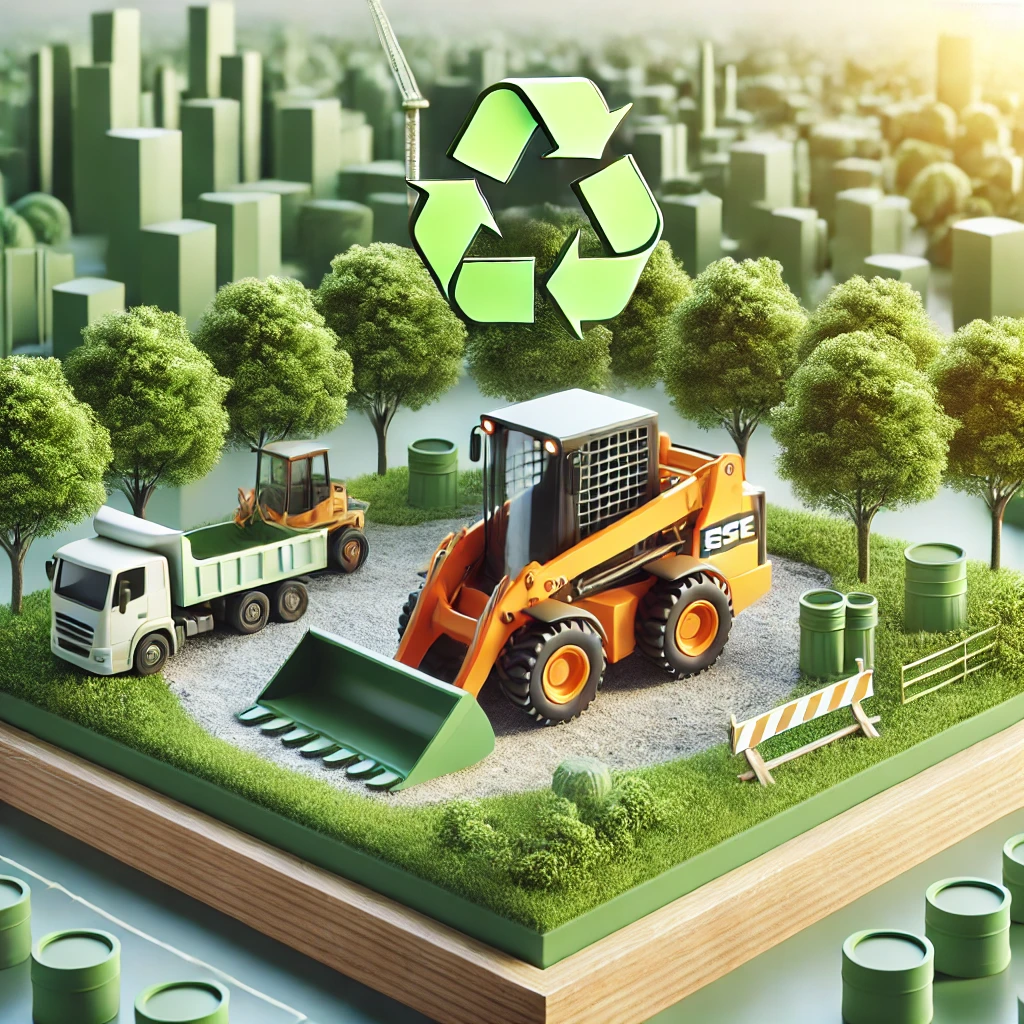
The Environmental Impact of Using Modern Construction Equipment
As the world becomes increasingly focused on sustainability, industries like construction are under pressure to reduce their environmental footprint. Heavy machinery and equipment are essential to construction, but they also contribute significantly to carbon emissions, fuel consumption, and energy use. Fortunately, advancements in modern construction equipment are making it possible for contractors and builders to minimize these environmental impacts.
In this post, we’ll explore how modern construction equipment is being designed to be more eco-friendly, the benefits of using fuel-efficient machines, and how hiring equipment can further contribute to reducing resource consumption.
1. The Role of Construction Equipment in Environmental Impact
The construction industry is responsible for a substantial portion of global emissions, and heavy machinery plays a significant role in this. Traditional equipment, such as bulldozers, loaders, and excavators, often rely on diesel engines that consume large amounts of fuel and release greenhouse gases (GHG) into the atmosphere. This not only contributes to climate change but also leads to local air pollution.
However, modern construction equipment manufacturers have recognized this problem and are taking steps to reduce emissions through innovative technology and cleaner engines.
2. Advances in Fuel Efficiency and Emission Reduction
A. Diesel Engines with Lower Emissions
One of the biggest improvements in modern construction equipment is the introduction of cleaner, more efficient diesel engines. Newer models, such as the Kubota diesel engine used in many machines, are designed to comply with stricter emission standards. These engines produce fewer harmful gases, such as nitrogen oxides (NOx) and particulate matter (PM), which are major contributors to air pollution.
B. Hybrid and Electric Models
Hybrid and electric construction equipment are becoming more common, especially in urban areas where air quality regulations are tighter. These machines use a combination of electric and diesel power to reduce fuel consumption and emissions. Some electric models can operate quietly with zero emissions, making them ideal for projects in noise-sensitive or densely populated areas.
Though fully electric construction equipment is still in the early stages of adoption, it represents a promising step towards a more sustainable future.
C. Improved Fuel Efficiency
Fuel-efficient engines not only reduce emissions but also help lower the amount of fuel consumed during operation. Machines with advanced fuel-saving features, such as idle-reduction systems, automatically shut off the engine when not in use, reducing unnecessary fuel burn. These technologies not only cut down on emissions but also result in significant cost savings for operators.
3. The Benefits of Hiring Modern Equipment for Eco-Friendly Projects
A. Access to the Latest Technology
One of the key advantages of hiring construction equipment is that you gain access to the latest, most environmentally friendly models. At Momentum Equipment Hire, we update our fleet regularly to ensure that our clients have access to fuel-efficient, low-emission machines. By hiring rather than buying, contractors can take advantage of this technology without having to invest in new equipment every few years.
B. Reducing the Need for Excess Equipment
When businesses purchase equipment, it often sits idle between projects, leading to inefficient use of resources. By hiring equipment only when it’s needed, companies can reduce the number of machines in circulation, thereby cutting down on the overall environmental footprint of manufacturing and maintaining surplus equipment.
Hiring also promotes the efficient sharing of resources, reducing the environmental impact of storing and transporting machinery.
C. Optimized Equipment Use
Hiring the right equipment for each specific job ensures that machinery is being used efficiently. For example, hiring a mini loader for small earthwork projects or landscaping tasks ensures that you’re not using larger, less efficient machines when they aren’t necessary. This not only improves fuel efficiency but also helps reduce wear and tear on the environment, as smaller machines cause less disturbance to the surrounding landscape.
4. Lowering the Environmental Impact of Construction Sites
A. Reducing Carbon Footprint
Using fuel-efficient or hybrid equipment can significantly reduce the carbon footprint of a construction project. Every gallon of fuel saved translates directly into fewer greenhouse gas emissions. In industries that are historically heavy on fuel consumption, these incremental reductions can make a big difference.
By hiring machines that are designed with fuel efficiency in mind, construction companies can lower their overall environmental impact without sacrificing productivity or performance.
B. Less Noise Pollution
Noise pollution is another environmental concern associated with construction equipment. Modern diesel engines and electric machinery are often quieter than older models, reducing the overall noise level on construction sites. This is particularly important for projects located in urban areas, near residential neighborhoods, or in sensitive environments like schools and hospitals.
C. Eco-Friendly Construction Practices
The use of eco-friendly construction equipment goes hand-in-hand with sustainable construction practices. By implementing energy-saving protocols on-site, such as using equipment efficiently, limiting idle times, and maintaining machines regularly, you can further enhance the environmental benefits of modern machinery.
5. Long-Term Environmental Benefits
A. Less Resource Extraction
By sharing and hiring construction equipment, fewer resources are required to manufacture new machines. This reduces the need for mining raw materials such as steel, aluminum, and other components used in heavy machinery production. The fewer machines produced, the fewer resources are extracted from the environment.
B. Extended Equipment Lifespan
When equipment is shared through hire services, it’s often better maintained and repaired regularly, extending the machine’s lifespan. Properly maintaining equipment reduces the frequency of replacement and minimizes the need for new manufacturing. This means less waste and fewer resources used in producing new machinery.
6. The Future of Eco-Friendly Construction Equipment
As technology continues to advance, the construction industry is likely to see more innovations in environmentally friendly equipment. With the rise of electric and hybrid machines, the integration of smart technology, and the development of more sustainable construction practices, the future of construction will be greener and more efficient.
In the years to come, we can expect even stricter emissions regulations, which will push manufacturers to create even more efficient, low-emission equipment. By hiring equipment from companies like Momentum Equipment Hire, you’ll always have access to the latest technology, ensuring that your projects are not only productive but also environmentally responsible.
Conclusion
Modern construction equipment has come a long way in reducing its environmental impact. From fuel-efficient diesel engines to hybrid and electric models, today’s machinery is designed with sustainability in mind. By hiring the latest equipment, contractors can enjoy the benefits of advanced technology while minimizing their environmental footprint.
Looking for eco-friendly solutions for your construction projects?
Momentum Equipment Hire provides modern, fuel-efficient machines to help you reduce your environmental impact. Get in touch to learn more!